Opening Hours


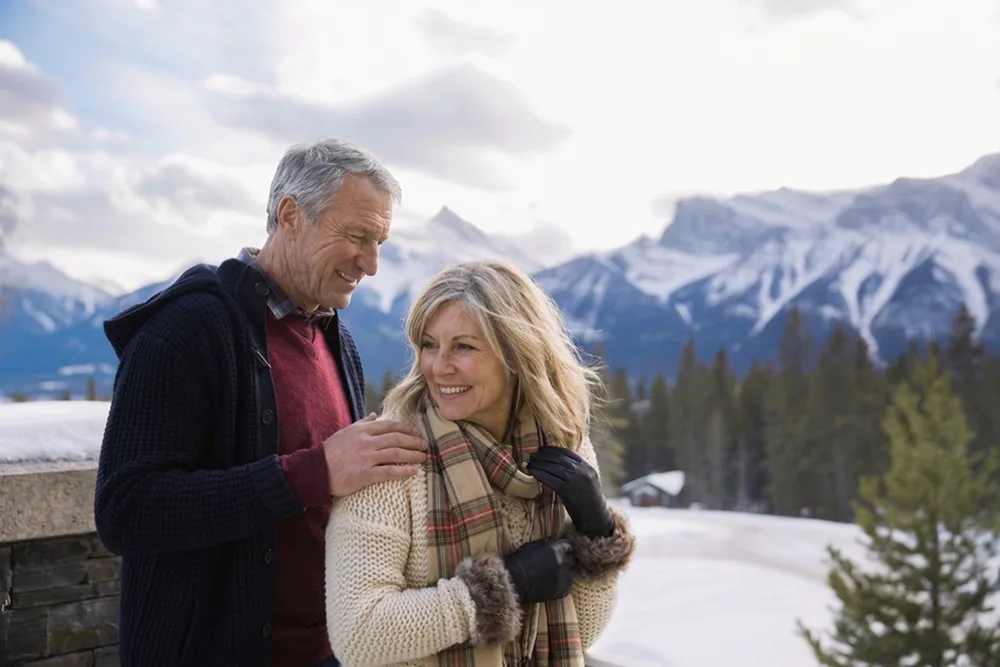
Winter travel with a medical condition can involve a few changes to your usual preparations. Cold temperatures, winter activities and even a trip to somewhere warmer can affect what you need to consider.
This guide explains what deserves extra attention, with practical checks to help you plan around your health and enjoy your winter holiday. Here are six areas worth a closer look.
1. Cold air can change how an outdoor day feels
A city walking tour might sound gentle. Add a cold wind, long periods of standing still and few opportunities to warm up, and it could feel quite different.
Asthma + Lung UK explains that cold, dry air can irritate the airways and worsen symptoms such as coughing, wheezing and breathlessness. If you have asthma, COPD or another lung condition, consider how your planned activities fit with your known triggers.
For a day exploring in the cold:
- Plan warm indoor stops along your route
- Keep your prescribed reliever inhaler accessible if you use one
- Adjust the time you spend outside to suit the weather and how you feel
- Follow your usual action plan and take medication as prescribed
- Loosely cover your nose and mouth with a scarf to help warm the air you breathe
Cold weather also warrants thought if you have a heart condition. The British Heart Foundation advises discussing travel to very hot or cold climates with your GP or specialist, as extreme temperatures can put extra strain on the heart.
2. Icy paths can make location more important
A hotel described as a short walk from town may look ideal. But a steep path, outdoor steps or an exposed route could make getting around less comfortable in winter.
If you have limited mobility, balance difficulties or a condition that affects your stamina, look beyond the distance on a map.
Ask the accommodation:
- Is the route to the entrance level, and are there steps?
- Are paths cleared or treated when snow and ice are expected?
- Can a taxi stop close to the door?
- Are restaurants and indoor attractions easy to reach?
Think about the return journey too. A route that feels manageable at the start of the day may be less appealing after several hours out or after dark.
For excursions, ask about walking surfaces, standing time and places to sit. A shorter tour with a warm café stop might suit your plans better than a full afternoon outdoors.
3. Mountain scenery brings altitude into the picture
You don’t need to ski to spend time at altitude. A mountain hotel, scenic cable car ride or visit to a high viewpoint can all be part of a winter holiday.
At higher altitudes, less oxygen is available. This can be particularly relevant for people with heart or lung conditions. If you have a heart or lung condition, speak to your GP or specialist before planning a trip to a high-altitude destination. Both the British Heart Foundation and Asthma + Lung UK recommend getting medical guidance to help you understand how altitude could affect you.
Check the altitude of your accommodation and planned excursions before booking. Share those details with your medical team, rather than relying on how easy an activity looks.
A cable car may save you a climb, but it doesn’t remove the change in altitude.
4. Medication needs protection from the cold too
Keeping medicines cool and keeping them from freezing are different things. Your medication could spend time in a cold vehicle during a transfer, in a bag on an outdoor excursion or in accommodation with storage facilities you haven’t checked.
Some medicines can be damaged by freezing. Diabetes UK, for example, says insulin must not be used if it has frozen.
Before travelling, ask your pharmacist:
- What temperature range does my medication need?
- How should I carry it during cold transfers or outdoor activities?
- What storage arrangements do I need at my accommodation?
- What should I do if I think it has become too hot or too cold?
Follow the instructions for your specific medicine. Don’t assume a cooling bag or ice pack will work in every situation.
Keep medication accessible during the journey and check arrangements for any medical devices you use. For documents, destination rules and airport preparation, see our guide to travelling abroad with medication.
5. Winter disruption needs a health backup plan
Think through what you would need if snow, ice or another disruption changed your journey home.
The useful question is practical: could you manage an extra night or two away from home?
Discuss an appropriate extra medication supply with your prescriber, taking account of any destination restrictions. Keep essential medicines in your hand luggage, so they’re available during a delay.
If your treatment follows a fixed schedule, ask your medical team what to do if your return is delayed. Save their contact details and find out where you could get medical help near your accommodation.
For remote winter stays, check access to healthcare before booking. A secluded cabin may be appealing, but the distance to a pharmacy or hospital should factor into your decision.
Check your Travel Insurance documents for disruption benefits, exclusions and any requirements if you cannot return as planned. Don’t assume every weather-related delay, replacement medicine or additional stay will be covered.
6. Winter sunshine means preparing for a different season
A winter break in the sun can mean moving from cold weather at home to much warmer temperatures abroad. Check the forecast for your destination and consider how the heat could affect your condition and the activities you’re planning.
If you have a heart condition and take water tablets or have a prescribed fluid restriction, the British Heart Foundation recommends speaking to your GP before visiting somewhere hot. Ask how to manage your usual routine in the warmer climate, and follow their guidance on fluids and medication.
Your medicines will need suitable storage throughout the trip too. Ask your pharmacist how to protect them during the cold journey from home and the warmer transfers and stay abroad. If they need refrigeration, confirm suitable facilities with your accommodation before you travel.
Does your Travel Insurance fit your winter plans?
Your Travel Insurance should reflect your health needs and the holiday you’re taking. Start by checking that it covers your destination and full trip length, with suitable emergency medical expenses and repatriation cover.
When arranging Travel Insurance with medical conditions, answer the medical screening questions fully and accurately. Check your documents to confirm that your declared conditions have been accepted for cover. If your health changes afterwards, check your policy’s notification requirements.
Planning activities in the snow? Skiing, snowboarding and other snow activities may need additional cover. Age limits, altitude limits and other restrictions can apply, so check the specific activity with your insurer before booking – even for a single afternoon.
For eligible destinations, a valid Global Health Insurance Card (GHIC) is useful alongside your policy. The NHS explains that it doesn’t replace Travel Insurance and doesn’t cover private healthcare, medical repatriation or ski and mountain rescue.
A final check for your winter escape
Preparing for a winter holiday starts with understanding what could be different for you. The climate, walking conditions and activities you choose can all shape how you manage your health while you’re away.
Use your plans to guide conversations with your medical team and pharmacist. Getting their input early gives you time to arrange suitable medication storage, plan for possible delays and choose a pace that suits you.
With those preparations in place and suitable Travel Insurance arranged, you can turn your attention to what you’re looking forward to. Make your health part of your holiday plans this winter.