 Opening Hours


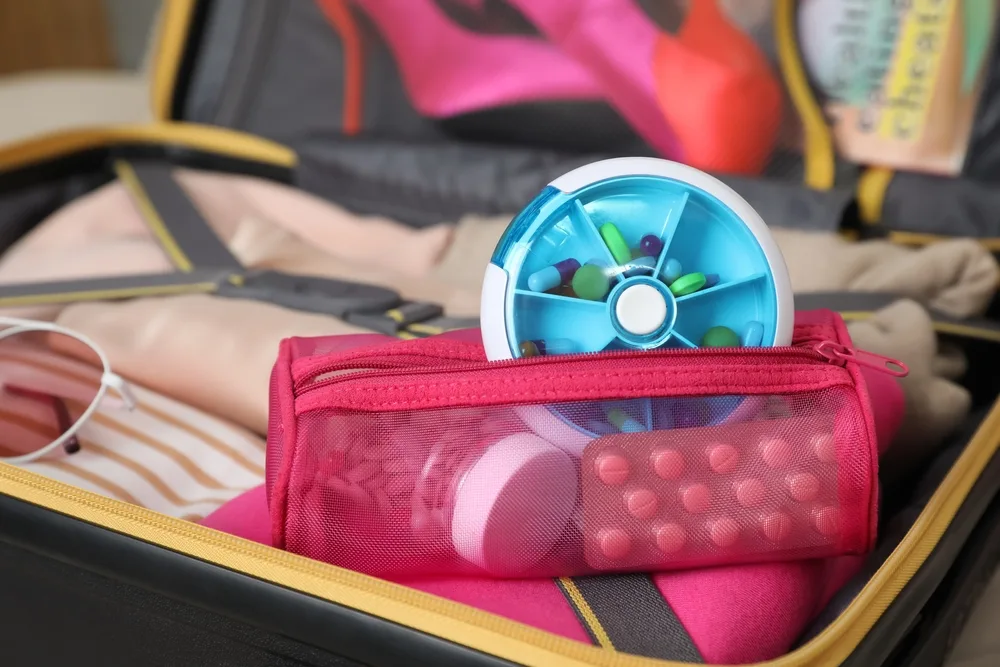
Travelling with medication can feel daunting, particularly if you’re managing a long-term medical condition or relying on prescription medicines. However, with the right preparation, travelling abroad with medication is usually straightforward.
From understanding documentation requirements to packing medicines correctly and navigating airport security, this guide explains everything you need to know before you travel.
Why planning ahead is important
Travelling with medication requires a lot of preparation. Different countries have different regulations, and some medications that are readily available in the UK may be restricted or require additional documentation elsewhere.
Starting your preparations four to six weeks before departure gives you enough time to:
- Speak with your GP or specialist
- Obtain any necessary documentation
- Arrange additional medication supplies
- Research destination-specific requirements
- Apply for any licences or permits that may be needed
A little planning can help avoid complications and unnecessary delays during your journey.
Check your medication supply before you travel
Before your trip, make sure you have enough medication to cover the entire duration of your travels.
Many healthcare professionals recommend taking extra medication in case of:
- Flight delays
- Travel disruptions
- Lost baggage
- Unexpected extensions to your trip
It’s also worth checking expiry dates and ensuring prescriptions remain valid for the duration of your holiday.
Research medication rules for your destination
Medication regulations can vary significantly from one country to another, so it’s important not to assume that medicines prescribed in the UK will automatically be permitted abroad.
Some medications that are commonly used in the UK may be subject to stricter controls elsewhere. In some destinations, medicines containing ingredients such as codeine, certain ADHD medications, strong painkillers, sleeping tablets, or anti-anxiety medication may be classified as controlled substances. This means you may need additional documentation, advance approval, or special permits to bring them into the country.
Depending on your destination, your medication may be:
- Restricted to a limited quantity
- Classified as a controlled drug
- Subject to import permits or licences
- Required to be declared upon arrival
- Prohibited without prior approval from local authorities
Failure to comply with local regulations could result in delays at customs, confiscation of medication, fines, or, in rare cases, legal consequences.
Countries with stricter medication regulations
While requirements can change, travellers should be particularly cautious when visiting destinations known for strict medication controls, including:
- United Arab Emirates (UAE)
- Japan
- Singapore
- Saudi Arabia
- Qatar
- Indonesia
- Thailand
These countries may require advance approval for medications that are routinely prescribed in the UK.
How to check medication requirements
The safest way to verify medication rules is through official government sources. Start by visiting the website of the embassy, consulate, or health authority for your destination country.
When researching, check:
- Prescription medication import regulations
- Controlled drug requirements
- Quantity limits for personal medication
- Documentation and certification requirements
- Customs declaration procedures
- Permit or licence application processes
If the information isn’t clear, contact the embassy directly. They can confirm whether your medication is permitted and explain any additional steps you need to take before travelling.
Essential documents for travelling with medication
Having the correct paperwork can make travelling with medication much easier and help avoid delays at airports or border crossings.
Carry a doctor’s letter
A doctor’s letter is often recommended when travelling with prescription medication, especially if you’re carrying controlled drugs, injectable medicines, or larger quantities of medication.
The letter should ideally include:
- Your full name and date of birth
- Details of your medical condition
- The names of your medications
- Dosage information
- Confirmation that the medication is for personal use
- Your doctor’s contact details
The document should be printed on official headed paper and carried alongside your medication.
Keep medication in its original packaging
Always transport medication in its original packaging with pharmacy labels attached.
This helps verify:
- The medication belongs to you
- The prescribed dosage
- The prescribing healthcare professional
- The dispensing pharmacy
Make sure the name on your prescription matches the name on your passport.
Additional supporting documents
Depending on your destination and the type of medication you’re carrying, you may also need:
- Copies of your prescriptions
- Medical summaries
- Hospital discharge paperwork
- Import permits
- Schengen Certificates for certain controlled drugs
It’s worth keeping both physical and digital copies of important documents.
How to pack medication safely
Packing medication correctly can help protect it from damage and ensure it’s accessible throughout your journey.
Keep medication in your hand luggage
Essential medication should always be carried in your hand luggage rather than checked baggage.
Checked luggage can be:
- Lost
- Delayed
- Damaged
- Exposed to extreme temperatures
Keeping medication with you ensures it remains available if travel plans change unexpectedly.
Consider splitting supplies
If you’re travelling with a companion, consider dividing medication supplies between two bags. This can provide a backup should one bag become lost or inaccessible.
Medication packing checklist
Before leaving home, check that you have:
- Medication in original packaging
- Doctor’s letter
- Prescription copies
- Additional medication supplies
- Medical alert identification (if applicable)
- Emergency contact details
- Travel Insurance documents
- Cooling equipment for temperature-sensitive medicines
Travelling with temperature-sensitive medication
Some medicines require careful temperature management during travel.
Insulin
Insulin should be kept cool but should never be frozen. Cooling wallets and insulated medication cases can help maintain a safe temperature during flights and transfers.
Biologic medicines
Many biologic medications require refrigeration. If you’re travelling with biologics, consider investing in a specialist cooling system designed for transporting medication.
Tablets and capsules
Most tablets can be stored at room temperature, but should be protected from excessive heat, moisture and direct sunlight.
Always follow the storage instructions provided with your medication.
What to expect at airport security
Travelling with medication is common, and airport security staff are familiar with handling prescription medicines.
Security screening
When passing through security:
- Keep medication easily accessible
- Carry supporting documentation
- Declare medication if requested
- Be prepared for additional screening if necessary
Most travellers carrying medication experience no issues when they have the appropriate paperwork available.
Travelling with liquid medication
Liquid medicines exceeding 100ml are generally permitted in hand luggage, although they may need to be declared separately.
You should:
- Keep medicines in their original containers
- Carry supporting documentation where possible
- Allow extra time for additional screening if required
Customs checks
Some countries require travellers to declare certain medications upon arrival.
If instructed to do so:
- Use the appropriate customs channel
- Present documentation clearly
- Answer questions honestly and accurately
Managing medication while abroad
Once you’ve arrived, it’s important to continue storing and taking your medication correctly.
Adjusting for time zones
If you’re crossing multiple time zones, medication schedules may need to be adjusted.
Before travelling:
- Discuss timing changes with your GP or specialist
- Understand how to maintain appropriate intervals between doses
- Set reminders on your phone if needed
Storing medication safely
When abroad:
- Store medicines in a cool, dry place
- Avoid direct sunlight
- Keep medications secure
- Never leave medicines in a parked vehicle
If your accommodation has a fridge, check that it is working properly before storing temperature-sensitive medicines inside.
What to do if medication is lost
If medication is lost, stolen, or damaged:
- Contact your travel insurer
- Visit a local doctor or healthcare facility
- Contact your GP if necessary
- Keep receipts and records of replacement costs
Acting quickly can help minimise disruption to your treatment.
Can you get replacement medication abroad?
In some cases, you may be able to get replacement medication while abroad, but this is not always straightforward.
Prescription rules vary by country, and a UK prescription may not be accepted everywhere. You may need to see a local doctor first, who can assess your situation and issue a local prescription if appropriate.
It is also worth remembering that medicines can have different brand names, strengths, ingredients, or availability abroad. This is why carrying the generic name of your medication, rather than only the brand name, is important.
If you need replacement medication while away:
- Contact a local healthcare provider
- Speak to a pharmacist
- Contact your travel insurer for guidance
- Use your doctor’s letter and prescription copies to explain what you take
- Avoid buying medication from unverified sources
Why Travel Insurance is important
Travel Insurance is particularly important if you are travelling with medication or managing a medical condition.
Depending on the policy, it may help with:
- Emergency medical treatment
- Replacement medication
- Hospital costs
- Medical repatriation
- Trip cancellation or curtailment
- 24-hour medical assistance
If you have a pre-existing medical condition, make sure it is declared when arranging your policy. This helps ensure your medical needs are considered if you need treatment while abroad.
Before buying Travel Insurance, check whether the policy includes:
- Cover for your declared medical conditions
- Emergency medical expenses
- Lost or stolen medication support
- Repatriation cover
- A 24-hour emergency helpline
Always read the Policy Wording carefully so you understand what is and is not included.
Ready to travel? A little preparation goes a long way
Travelling with medication might feel overwhelming at first, especially if you’re heading somewhere new or taking medication that requires extra care. But with a bit of planning before you leave, there’s no reason it should get in the way of your holiday.
Taking the time to check local regulations, organise your paperwork, and pack your medication properly can help you avoid unnecessary stress while you’re away. It also means you’ll be better prepared if your travel plans change unexpectedly.