 Opening Hours


A week of sunshine can be exactly what you need. But when temperatures climb into the mid-30s and beyond, even a relaxing holiday can become more physically demanding than expected.
Heat affects everyone differently. For people living with pre-existing medical conditions, taking prescription medication, or travelling later in life, hot weather can increase the risk of dehydration, exhaustion and other heat-related health problems.
In this guide, we’ll explain how hot weather can affect your body, what you can do to stay safe while you’re away, and the warning signs to watch for so you can enjoy your holiday with confidence.
How does hot weather affect your body?
Most of us notice the heat more as we get older. You might find yourself feeling tired sooner, needing more breaks throughout the day, or struggling to cool down as quickly as you once did. That’s because our bodies naturally become less efficient at regulating temperature over time.
Add certain medications or medical conditions into the mix, and hot weather can become more demanding than many people realise. For example, some blood pressure medications, diuretics and antihistamines can affect how your body responds to heat. Conditions such as diabetes, heart conditions and kidney conditions can also make it harder to stay comfortable when temperatures climb.
But it’s not just extreme heat that can catch travellers off guard. Long days spent sightseeing, walking around unfamiliar cities, waiting in airport queues or relaxing on the beach can all contribute to dehydration and fatigue without you even realising it.
Common effects of hot weather include:
- Increased sweating and fluid loss
- Dehydration
- Dizziness or light-headedness
- Headaches
- Muscle cramps
- Fatigue and exhaustion
- Difficulty sleeping
- Reduced appetite
The good news is that understanding how your body responds to heat is the first step towards staying safe. By recognising potential risks and planning ahead, you can enjoy your holiday without letting the weather get in the way.
Preparing for a holiday during a heatwave
If you’re travelling to a destination experiencing particularly high temperatures, a little preparation can make a big difference.
Before you travel, check the weather forecast and familiarise yourself with any local heat warnings. If you’re living with a medical condition, it’s also worth speaking to your GP before departure, especially if you’ll be travelling somewhere significantly hotter than you’re used to.
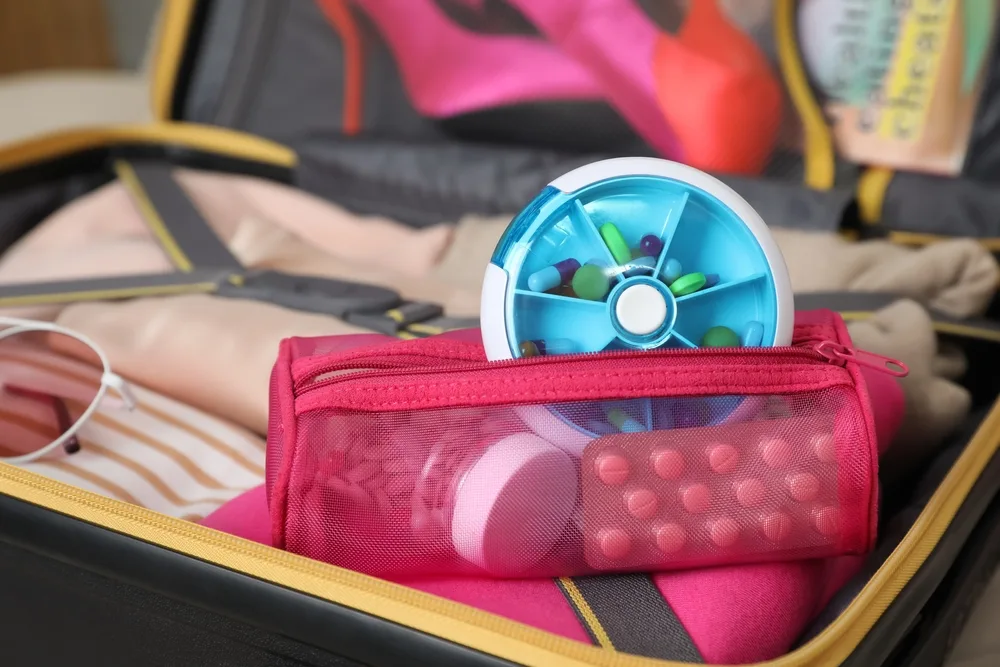
Make sure you have enough medication to last for your entire trip, plus a little extra in case of delays. Some medicines can also be affected by high temperatures, so check storage requirements before you travel.
When packing, consider including:
- A reusable water bottle
- SPF 50+ sunscreen
- A wide-brimmed hat
- Lightweight, breathable clothing
- Sunglasses with UV protection
- A portable fan or cooling towel
- Electrolyte or rehydration sachets
If you’re booking accommodation, air conditioning can make a significant difference to your comfort, particularly during periods of extreme heat.
Simple ways to stay cool while you’re away
Once you’ve arrived, one of the best things you can do is adapt your plans to the weather.
Many popular holiday destinations experience their highest temperatures between late morning and mid-afternoon. Instead of packing your day with activities during these hours, consider taking a slower approach.
Early mornings and evenings are often the most comfortable times for sightseeing, exploring local attractions or enjoying outdoor activities.
During the hottest part of the day, try to:
- Seek out air-conditioned spaces
- Take regular breaks in the shade
- Avoid strenuous physical activity
- Drink water regularly
- Wear loose-fitting clothing
- Reapply sunscreen frequently
Remember, slowing down doesn’t mean missing out. In many destinations, it’s simply part of enjoying the local way of life.
Why hydration matters in hot weather
Dehydration is one of the most common health risks travellers face during a heatwave. When temperatures rise, your body loses more fluids through sweating. If those fluids aren’t replaced, you can quickly begin to feel tired, dizzy and unwell.
A good habit is to drink water regularly throughout the day rather than waiting until you feel thirsty. By the time thirst kicks in, your body may already be becoming dehydrated.
Signs you may need to drink more water include:
- Dark-coloured urine
- Dry mouth
- Headaches
- Dizziness
- Feeling unusually tired
If you’re spending extended periods outdoors or being particularly active, electrolyte drinks can also help replace salts lost through sweating.
Recognising the signs of heat exhaustion and heatstroke
Knowing when the heat is becoming a problem can help you act quickly and avoid a more serious situation.
Heat exhaustion symptoms
Heat exhaustion can develop when your body loses too much water and salt.
Common symptoms include:
- Heavy sweating
- Feeling weak or faint
- Headaches
- Nausea
- Dizziness
- Muscle cramps
- Cool, clammy skin
If you experience these symptoms, move somewhere cool, drink water and rest until you start feeling better.
Heatstroke symptoms
Heatstroke is a medical emergency and requires immediate treatment. Warning signs include:
- A body temperature of 40°C or above
- Confusion or disorientation
- Hot skin
- Rapid heartbeat
- Loss of consciousness
If you suspect heatstroke, seek emergency medical assistance immediately.
Could it be sun poisoning?
While not a medical diagnosis, “sun poisoning” is a term often used to describe a severe reaction to prolonged sun exposure. It can happen after spending too much time in direct sunlight and is often accompanied by severe sunburn and dehydration.
Symptoms can include:
- Severe redness or blistering
- Swollen, painful skin
- Headaches
- Nausea
- Fever or chills
- Dizziness
- Dehydration
If you develop severe blistering, signs of infection, or symptoms that don’t improve after getting out of the sun, seek medical advice as soon as possible.
Travel with confidence, whatever the temperature
Hot weather can bring a few extra challenges when you’re abroad, but it shouldn’t stop you from enjoying the holiday you’ve been looking forward to. Understanding how your body responds to heat, planning your days carefully and knowing when to seek help can all help you stay safe while travelling.
Before you set off, make sure you’ve packed any medication you need, checked local weather forecasts and arranged Travel Insurance that provides the right level of cover for your trip. With the right preparation and support, you can travel with confidence and focus on creating memories that last long after your holiday ends.