 Opening Hours


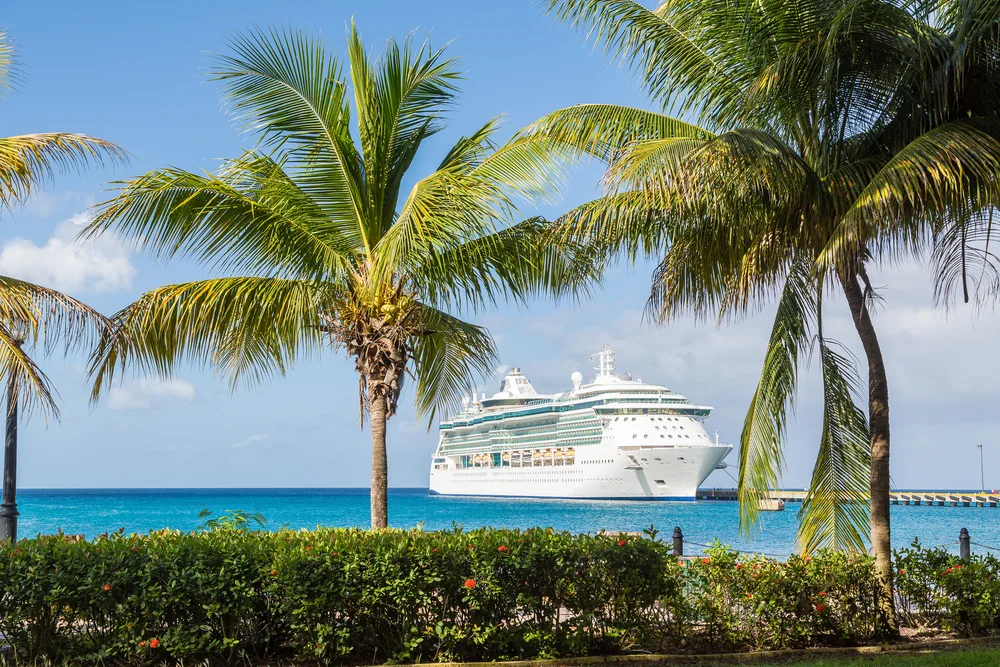
There’s a lot to like about a cruise that visits the places you want to see, on dates that suit you, at a price you’re happy to pay. Once you’ve found one, it’s tempting to pay the deposit and start looking forward to it.
But the itinerary and cabin photographs only tell you so much. A closer look at the deck plan, time in port, and fare details can help you decide whether it’s the holiday you have in mind.
Before you book, here are seven questions worth asking.
1. Where exactly is your cabin?
You might have decided you’d like a balcony, or that an inside cabin will suit you perfectly. Next, look at where it sits on the ship.
Open the deck plan and check what’s above, below and nearby. A cabin beneath a pool deck or close to a late-night venue deserves a few extra questions if you’re a light sleeper.
Before choosing, check:
- Nearby facilities: How far will you be from the lifts, restaurants and other places you’ll use regularly?
- The view: Does the description mention an obstructed window or balcony view?
- The layout: Are the beds arranged as you’d like, and is there enough space for everyone sharing?
- Cabin allocation: Can you choose your exact cabin, or will the cruise line allocate one within your booked category?
ABTA recommends thinking carefully about cabin choice when planning your cruise, and speaking to a travel agent if you need help with the options.
If you need an accessible cabin, discuss your requirements with the operator before booking.
2. How much of each destination will you get to see?
Seeing a favourite city on the itinerary is a good start. The next step is to find out how much time you’ll have there.
Check the scheduled arrival and departure times, then look up where the ship actually stops. How far is the port from the places you want to visit? Can you walk into town, or will you need a transfer?
A ship arriving at 9 am and departing at 5 pm won’t give you eight full hours of sightseeing. You’ll need time to get ashore, travel to your destination and return before the all-aboard deadline.
It’s worth checking:
- The journey time between the port and your chosen sights
- Whether the ship docks alongside or uses smaller boats, known as tenders, to take passengers ashore
- Whether the arrangements suit any mobility requirements
- How much time you’ll have once transfers and boarding deadlines are allowed for
You might have time for a leisurely lunch and a museum, or need to choose between them. It’s easier to make that decision while comparing cruises than when you’re already on your way.
3. What’s included in the price you’re comparing?
The starting fare is useful, but you’ll get a clearer comparison by adding up what you expect to spend across the holiday.
Inclusions vary between cruise lines, ships and fares. P&O Cruises, for example, includes meals in a range of venues, while speciality dining, drinks packages and shore experiences may cost extra. Check the details for your chosen sailing and fare.
Think about how you like to spend your days, and allow for:
- Food and drink: Packages, speciality restaurants and anything outside your included meals
- Days ashore: Excursions, transport, attraction tickets and meals
- Onboard extras: Internet access, spa visits and activities you’d like to try
- Other charges: Gratuities or service charges, where applicable
- Getting there: Flights, transfers, parking or an overnight hotel stay
A package may suit you well, but only if you’ll use enough of it to justify the price.
You may find that a higher fare includes things you’d otherwise pay for separately. Equally, a simpler booking could suit you better if you’re unlikely to use the extras.
4. Have you left enough time to reach the ship?
The journey to the port deserves as much attention as the sailing itself.
Start with the cruise line’s check-in window and final boarding deadline. Then consider what you’d do if a train were cancelled, traffic were heavy, or a flight arrived late.
For a fly-cruise, ask:
- Are flights and transfers included in the booking or arranged separately?
- Who should you contact if a delay affects your arrival?
- What help would your booking provider offer?
- Would arriving the day before give you a more comfortable margin?
Weigh the cost of an overnight stay against the time you’d otherwise have available, particularly after a long journey.
Give the return journey the same thought. Before booking a flight or train, allow time to leave the ship, collect your luggage and reach the airport or station.
5. What medical care is available on board?
It’s reassuring to know what help is available if you become unwell, especially if you’re travelling with a medical condition.
Ask the operator about the ship’s medical facilities and any health information it needs from you. If you use medical equipment or need medication kept at a particular temperature, discuss the arrangements before booking.
Your GP or treating clinician can help if you’re unsure whether the trip is suitable for your health.
Find out how treatment is charged, too. P&O Cruises, for example, operates a private onboard healthcare service, with treatment and medication charges added to passengers’ onboard accounts.
A UK Global Health Insurance Card (GHIC) won’t cover treatment on board a cruise ship, even when it’s docked. You may be entitled to necessary state healthcare ashore in a participating country, but that is separate from care provided on the ship.
Check your Cruise Travel Insurance for onboard medical treatment, emergency transport and getting you home if medically necessary.
6. How much flexibility does your booking give you?
Nobody books a holiday expecting to change it. Even so, it helps to know your options before paying.
Read the conditions for your chosen fare, looking closely at:
- Payment dates: When is the remaining balance due?
- Cancellation charges: How much would you lose at different stages?
- Booking changes: Can you change passenger details or sailing dates, and what would it cost?
- Itinerary changes: What do the operator’s terms say about route changes or missed ports?
- Separate extras: What happens to excursions or hotel stays you’ve booked independently?
If flexibility matters to you, ask your travel agent or cruise line to explain the differences between fares.
Travel Insurance cancellation cover applies to the reasons set out in the policy. Don’t assume it will reimburse you simply because you decide you no longer want to go.
7. Does your Travel Insurance cover the cruise you’ve chosen?
If you already have Travel Insurance, check it before buying another policy – but don’t assume that having insurance means your cruise is covered.
The FCDO recommends checking your operator’s booking conditions, as cruises generally require an additional level of cover.
Work through these details before relying on your policy:
- Cruise cover: Is it included, or do you need to add it?
- Destinations and dates: Does it cover your route and the full holiday, including stays before or after the sailing?
- Trip length: If you have Annual Multi-Trip cover, is the full holiday within the maximum duration allowed for each trip?
- Cancellation cover: Is the limit sufficient for each traveller’s prepaid, non-refundable costs?
- Cruise benefits: What does the policy cover for cabin confinement, missed port departures or unused excursions?
Read the limits, exclusions and evidence requirements as well as the benefit names.
When getting a quote, answer every medical screening question fully and accurately, even if a condition is well managed. If you already have cover and your health or plans have changed, check whether you need to tell your insurer.
Our Cruise Travel Insurance offers benefits designed for holidays at sea. Check the Policy Wording for the cover included, or speak to our team if you have questions.
Before you pay the deposit
You don’t need every day planned before you book. Knowing where you’ll sleep, what you’re paying for, and how the itinerary fits your plans will help you choose something you’re happy with.
If something isn’t clear, ask your travel agent or the cruise line. Getting those answers now lets you enjoy the anticipation and decide what you’d like to do at your first port of call.