Opening Hours



 Trusted for 25 years
 Covered 3.5 million+ travellers
 24/7 emergency helpline
A holiday can give you something positive to look forward to when you’re living with brain cancer. Having the right Brain Cancer Travel Insurance means you can plan your trip knowing your medical needs have been considered.
At AllClear, we specialise in Travel Insurance for over 1,300 pre-existing medical conditions. Tell us about your brain cancer, treatment and any other medical conditions when you get a quote, and we’ll help you find suitable cover. This can include protection against unexpected medical emergencies related to your condition while you’re abroad, giving you greater peace of mind from the moment you set off.
What is Brain Cancer Travel Insurance?
Brain Cancer Travel Insurance is specialist cover for people who have been diagnosed with a brain tumour or brain cancer, including those receiving treatment, having follow-up care or living with the effects of their condition.
Travelling with brain cancer can bring extra considerations. You might be taking medication, attending regular appointments or managing symptoms following treatment. By declaring your brain cancer when you get a quote, these circumstances can be considered when arranging your Travel Insurance.
If you unexpectedly need emergency medical treatment related to your covered brain cancer while abroad, your policy can help with eligible medical expenses. It can also provide protection if an insured medical reason means you need to cancel your trip or return to the UK early.
At AllClear, we specialise in Travel Insurance for pre-existing medical conditions. We’ll ask about your diagnosis, treatment and current health during medical screening, helping you find suitable cover for your individual circumstances.
Why do you need Travel Insurance for brain cancer?
Living with brain cancer doesn’t necessarily mean putting your travel plans aside. But your diagnosis, treatment or medication can mean there’s more to think about before you go, including what would happen if you unexpectedly needed medical care abroad.
Brain tumours affect thousands of people across the UK:
- Around 13,000 people are diagnosed with a primary brain tumour every year in the UK
- Cancer Research UK reports around 5,800 malignant brain tumour diagnoses each year in the UK
- There are more than 100 different types of brain tumour, which means diagnosis, treatment and individual medical needs can vary significantly
That’s why having Travel Insurance that considers your individual circumstances is important. Specialist Travel Insurance for brain cancer can cover eligible emergency medical expenses related to your declared condition while you’re abroad.
The cost of getting medical help abroad can also be significant. The UK Government warns that without appropriate Travel Insurance, emergency expenses and medical treatment may cost thousands of pounds. Medical transport or an emergency return to the UK can also be very expensive.
Your policy can protect your holiday plans, too. Depending on your cover, you could be protected if an insured change in your health means you unexpectedly need to cancel your trip or return home early.
Before you travel, speak to your medical team about your plans. When getting your quote, declare your brain cancer, treatment and any other pre-existing medical conditions you’re asked about. This helps you arrange cover that reflects your circumstances, giving you greater peace of mind while you’re away.
What cover does AllClear’s Travel Insurance for brain cancer provide?
Your holiday should be something to look forward to. Our Brain Cancer Travel Insurance can cover unexpected emergency medical costs related to your declared condition while you’re abroad, including repatriation when medically necessary.
You can also be protected if an insured medical reason means you need to cancel or cut your trip short, alongside everyday travel problems such as lost luggage.
What’s covered?
- Medical cover – AllClear policies include emergency medical cover. This includes medical costs for existing conditions. For example, prescription medication, medical emergencies and medical equipment
- Cancellation and cutting your trip short – Cover for your flight and accommodation costs if you have to cancel before you go. We’ll also cover you if you need to return home early following an emergency
- Your baggage – Protection against the cost of stolen, damaged or lost luggage and personal possessions. You can also choose to add extra cover for gadgets to your policy
- Travel delays and missed departures – We’ll compensate you for the time if your flight is delayed. If you miss your flight, you’ll also be covered for accommodation and transport costs
- Personal liability – Cover for your legal expenses and any liability if you accidentally injure someone. You also have cover if you damage their property while you’re away on holiday
- All ages – We believe Travel Insurance should be available to as many people as possible. That’s why our Travel Insurance has no upper age limit
What’s not covered?
- Deciding not to travel – We do not provide any cover if you can travel but choose not to
- Other regions – Your Brain Cancer Travel Insurance won’t cover you if you travel outside your chosen region. You can contact us to upgrade your policy anytime
- Claims below the value of excess – You’re not covered for claims that fall below the value of the excess stated in your policy
- Medical conditions you fail to declare – You need to provide us with an accurate medical history when you buy Travel Insurance. This is so we can give you the right cover. This is especially vital for senior travellers and those with long-term illnesses
Choose the right level of cover for you
Check your Policy Wording for full details of cover.
We offer three different policy levels: Gold, Gold Plus, and Platinum. Each is tailored to your specific requirements.
Levels of Travel Insurance cover
Buying a Single Trip or Annual Multi-Trip policy? Choose from three levels of cover: Gold, Gold Plus, and Platinum.
Gold
Endorsed by Which?

Emergency Medical & Repatriation Cover
£10,000,000
24/7 English-speaking emergency helpline

Cancellation and cutting your trip short
£2,000
Gold Plus


Endorsed by Which?

Emergency Medical & Repatriation Cover
£15,000,000
24/7 English-speaking emergency helpline
Cancellation and cutting your trip short
£5,000
(Up to £15,000 available)
Platinum
Endorsed by Which?
Emergency Medical & Repatriation Cover
Unlimited
24/7 English-speaking emergency helpline
Cancellation and cutting your trip short
£10,000
(Up to £25,000 available)
All these figures are per person, and per trip.
What types of brain cancer are covered by Travel Insurance?
No two brain cancer diagnoses are quite the same. The type of tumour you have, the treatment you’ve received and how your condition affects you can all be different, which is why we look at your individual circumstances when you get a quote.
You can tell us about different types of brain tumours, including:
- Gliomas, such as astrocytomas and oligodendrogliomas
- Glioblastomas
- Meningiomas
- Secondary brain tumours, where cancer has spread to the brain from elsewhere in the body
You can also tell us if you’re currently having treatment, attending follow-up appointments or have previously been treated. We’ll ask some straightforward questions about your medical history and use your answers to help find suitable cover for your trip.
How to get Travel Insurance when you have brain cancer
Your brain cancer diagnosis is personal to you, so your Travel Insurance should take your individual circumstances into account. When you get a quote, we’ll take you through a simple medical screening and ask about your condition.
This may include:
- The type of brain tumour you’ve been diagnosed with
- Treatment you’ve had, or are currently receiving
- Medication you take
- Recent hospital visits or stays
- Surgery or treatment you have planned
- Any other pre-existing medical conditions
There’s no need to second-guess what information matters. Simply answer the questions accurately and declare the medical conditions you’re asked about.
We’ll use this information to understand your circumstances and show you the Travel Insurance options available, so you can choose the cover that feels right for your trip.
Brain Cancer Travel Insurance with other pre-existing medical conditions
Your health rarely fits neatly into one box. Alongside brain cancer, you may be managing another condition, taking different medications or living with the effects of treatment.
At AllClear, we can consider more than 1,300 medical conditions. Alongside your brain cancer, you can tell us about conditions such as:
- Epilepsy and seizures
- Heart conditions
- High blood pressure
- Diabetes
- Mobility conditions
- Other types of cancer
Simply declare the conditions you’re asked about during medical screening. We’ll consider your medical history together, helping you find Travel Insurance that reflects your health as a whole – not just one diagnosis.
How our Travel Insurance for Brain Cancer works: A simple 3 step quote process
Getting a quote for Travel Insurance for Brain Cancer couldn’t be simpler. Here’s how it works.
1. Get a quote online or by phone
The first step is to provide your personal details and information about your holiday plans. Complete this over the phone with one of our team members or online.
2. Complete our simple medical screening process
You must declare any medical conditions you have and any medications you’re taking. This will allow us to provide the cover that best suits your needs.
3. Get your quote
You can either proceed to buy or save your quote at this stage.
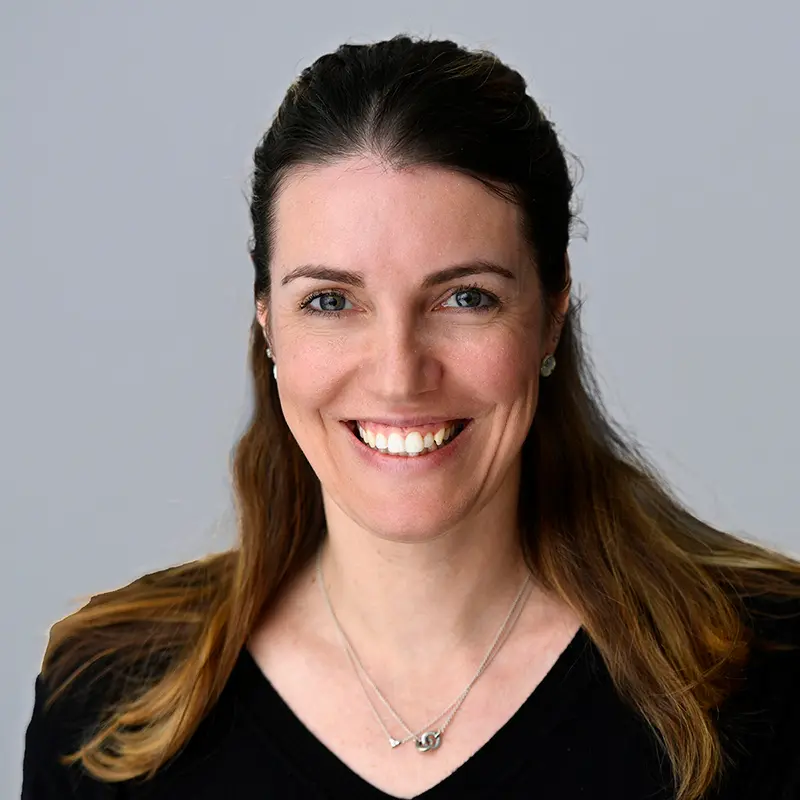
“When you’re living with brain cancer, a holiday can be something really meaningful to look forward to. Start by talking through your plans with your medical team, particularly if you’re having treatment or taking medication. Then think about the practical details – where you’re going, how you’ll manage your medication and what support you might need while you’re away. A little planning before you travel can give you more time to focus on what really matters: enjoying your trip.”
What our customers say
Booking Travel Insurance with Terminal Cancer
“Called for holiday Insurance cover having been diagnosed with Terminal Cancer. Spoke to Ben, who was extremely professional when I explained my situation. He talked me through the cover All Clear provides, all reasonably priced and I chose the Gold cover. It was quick, easy and my partner and I now have peace of mind for our holiday. Thanks Ben.”
Our 5 star Trustpilot rating
Tips for travelling with brain cancer
Flying and air travel with brain cancer
- You will usually need to wait around 3 months after surgery for brain cancer before you can travel by air. It might also be a good idea to book a destination which doesn’t require a long flight. A relatively short flight will ensure you don’t overexert yourself. You don’t want to wear yourself out before you even get there!
- Also, try to ensure you’re as comfortable as possible on the flight. This may mean arranging for priority boarding either through the airline, or purchasing priority passes.
- Booking a seat at the back of the plane on the aisle side is recommended. This will mean you get to board the plane at your own pace without having to worry about other passengers. You’ll be able to stand and walk around which is always recommended on flights longer than an hour.
- If you do feel at all unwell during your flight, the flight attendants may offer for you to sit or stand at the back to allow you some more space.
Taking your medication abroad
- Assuming that you’re on specific medication for your brain cancer or post-surgery when you travel, you’ll want to have enough supplies to last you.
- Your doctor will be able to prescribe the correct amount. It may be worth asking for some extra supplies in case of any delays. If you know you’ll be changing time zones, ask your doctor for the new times you’ll need to take your medication when you arrive on holiday.
- Also, don’t forget to pack your medication in your carry-on case instead of checked-in luggage. This means that if there is a delay you will still have your medication.
Swimming after surgery
- If you’re planning a beach getaway you shouldn’t swim alone until the risk of seizures has passed. This can be roughly one year after treatment but will be dependent on your personal circumstance.
- If you have epilepsy, ensure you always swim with a companion and in safe areas patrolled by competent lifeguards. Check your hotel pool has lifeguards if you plan to swim a lot during your holiday.
Excursions and activities
- After you’ve been treated for a brain tumour, you may be advised to avoid contact sports such as rugby and boxing. Once you recover, you can discuss which sports and activities are safe to resume with your doctor. If you’re planning any particular activity on holiday, then you should check whether this is covered by your travel insurance policy by looking at the ‘Amateur sporting and hazardous activities’ section.
Don’t overdo it
- If you’re looking at excursions, try to consider ones which don’t stray too far from your accommodation, and that doesn’t last for long periods of time. Choose wisely and remember, when you’re in a new place, you might find that the best-hidden gems are only around the corner. Get those guidebooks ready!
Listen to your body
- If you would like to rest, don’t be afraid to tell your travel companions that you want to go back to the accommodation. Regardless of your condition, when in a hot country, you may want to stop and take regular breaks for a snack and a drink, especially if you’ve been walking a lot.
Stay hydrated
- Following on from the above, drinking lots of water is one of the best things you can do to fight fatigue. This is especially true in a warm climate. Stick to bottled water and avoid food which has been washed in tap water. Tap water can cause sickness and diarrhoea, which could have a devastating impact on your holiday.
Relax
- It’s not all about getting out and travelling around. Enjoy lazing by the pool with a good book, and there’s no rush when you’re on holiday. Staying in one place and taking in your surroundings can be just as fun as exploring. Plus, you get to dip your toes in the sea or swimming pool which is the best way to spend an afternoon!
Brain Cancer Travel Insurance FAQs
A medical emergency is stressful enough without having to work out what to do next. Get the urgent medical attention you need, then contact AllClear’s 24/7 medical assistance team as soon as you can.
If the emergency is covered by your policy, we can help with eligible medical costs and provide support while you’re away. If it’s medically necessary, your cover can also include repatriation back to the UK.
A little planning before your holiday can make things easier once you’re away. Make sure you have enough medication for your trip, keep essential medication in your hand luggage and take your Travel Insurance details and emergency contact number with you.
It’s also worth checking the rules for taking medication into your destination. If you’re unsure how travelling could affect your condition or treatment, speak to your medical team before you go.
Yes. You should declare your brain cancer when you’re asked about your medical history, even if your treatment has finished. You’ll also need to declare any other pre-existing medical conditions you’re asked about.
Having details about your diagnosis, treatment and medication to hand can make medical screening easier. Answer the questions accurately so your insurer can properly consider your circumstances.
Yes, it may be possible to get Travel Insurance when you’re living with brain cancer. Your options will depend on your individual circumstances, including your diagnosis, treatment, current health and travel plans.
Specialist providers such as AllClear consider pre-existing medical conditions through medical screening, rather than assuming everyone’s experience of brain cancer is the same.
Some people living with brain cancer can fly, but whether flying is suitable for you depends on your individual health and treatment. Speak to your medical team before booking your journey and check any requirements with your airline.
This is particularly important if you’ve recently had brain surgery. Your medical team can advise when you’re fit to fly based on your recovery and individual circumstances.
You may be able to get Travel Insurance while receiving cancer treatment, but this will depend on your individual circumstances and the insurer’s terms. You may be asked about the treatment you’re having, when you last received treatment and whether you have further treatment planned.
Make sure you understand whether your cancer itself is covered. Some Travel Insurance policies may exclude claims relating to cancer even if they provide cover for other events.
If you unexpectedly need emergency medical treatment abroad, seek the medical help you need and contact your insurer’s emergency assistance team as soon as possible.
If your brain cancer has been declared and accepted for cover, your policy may cover eligible emergency medical expenses related to your condition, subject to its terms and limits. AllClear customers also have access to 24/7 medical assistance while travelling.
No. A Global Health Insurance Card (GHIC) can give eligible UK travellers access to medically necessary state healthcare in participating countries, but it isn’t a replacement for Travel Insurance.
For example, a GHIC doesn’t provide the same protection for costs such as cancellation, private healthcare or repatriation back to the UK. If you’re living with brain cancer, having suitable Travel Insurance alongside your GHIC can provide much broader protection.
If your health changes between buying your policy and travelling, check your policy terms and contact your Travel Insurance provider where required. This could include a new diagnosis, a change in treatment or medication, or a planned procedure.
Don’t assume your existing cover will automatically account for a change in your health. Checking before you travel means you can understand how the change affects your policy.
Letitia is a Travel Insurance expert with more than 20 years experience in science and medical communication and helping people find specialist insurance. As Head of Communications at AllClear, she brings in-depth knowledge on medical cover. Letitia cares about supporting people with medical conditions to travel with confidence.

Our content is created and reviewed by a dedicated team of experts
^ Based on UK companies in the 'insurance' category on Trustpilot, as of July 2025. AllClear Gold, Gold Plus and Platinum policies achieved Which? Best buy. AllClear Gold Plus and Platinum has been 5 Star rated by Defaqto.
1 Based on completed quotes between May 2024 and April 2025.